


JUNIOR SOULNOTE £43,630
This is an important system, something deeply compelling and almost educational. Maybe it marks a line in the sand, a new benchmark ? This is true certainly as far as Lotus is concerned. Against the wider industry ? Who knows. What I do know is I get to hear a lot of equipment every year and all new products here get trialled against the existing giant killers we have previously cherry picked and my opinion is that you will have to search very hard and wide to locate an Integrated Amplifier and DAC equivalent to the Soulnote A2 V2 and D2 V2 for the same sort of money.
Let me put it to you this way, in the last year I have replaced some far more expensive critically acclaimed superstars with these units in customers systems – Rossini and Tambaqui to name just a couple. And this with the old version 1 units. Before they were made even better again in V2 guise as seen here.
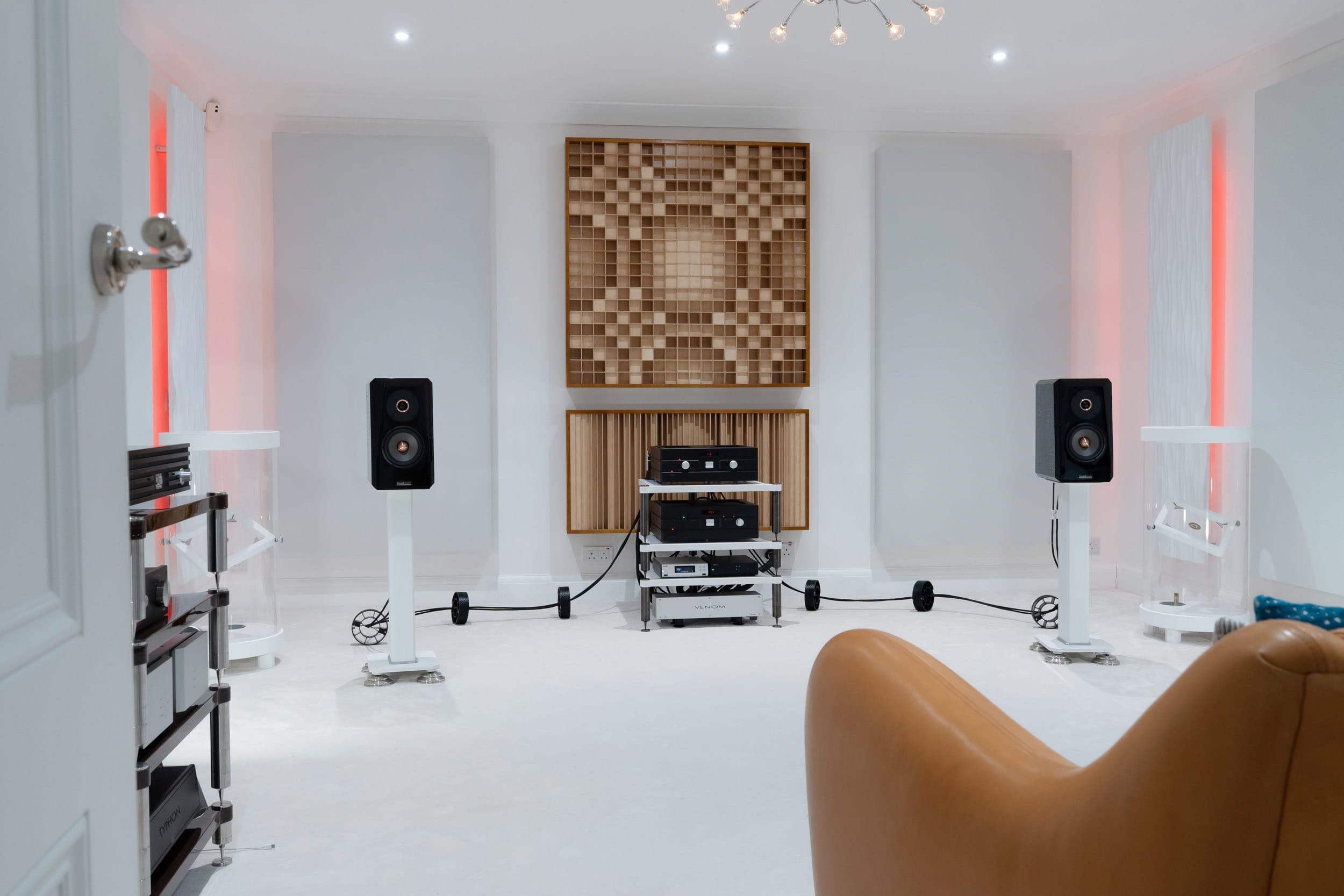
To put it another way, the Soulnote A2 V2 is around half the cost of some of the other Integrated amps we sell (Thrax Ares, Vitus RI-101) but it’s honestly pretty much on an equal footing and any customer coming to me with the higher budget will be invited to bring it into the mix as an option. Any performance differences in either direction between these amps will likely be lost in the context of the full system with all its setup and ancillaries. The same goes for the DAC as well. Only £7700 but in the same territory as the Vitus RD-101 and Brinkman Nyquist II. With components this good, decision making becomes more about ergonomics, feature set and house sound rather than out and out performance scores and of course, the final complex recipe and setup of the system is far more important than the power of any one single box.
Technology also matters enormously in this hobby, and the new A-2 and D-2 V2 are right at the forefront, fresh from the starting blocks and packed with some of the most current and sophisticated engineering available today.
So all of this means that Suggested System 9 gives you an awful lot for your money. In concept and in budget number 9 is not dissimilar to our Suggested System 3 but the middle range 2 series from Tokyo allows you to have a separate chassis for both DAC and Amplifier rather than a more rudimentary DAC module inside the Integrated and there are merits in this, not least overall optics and long-term upgrade flexibility.
BUILD
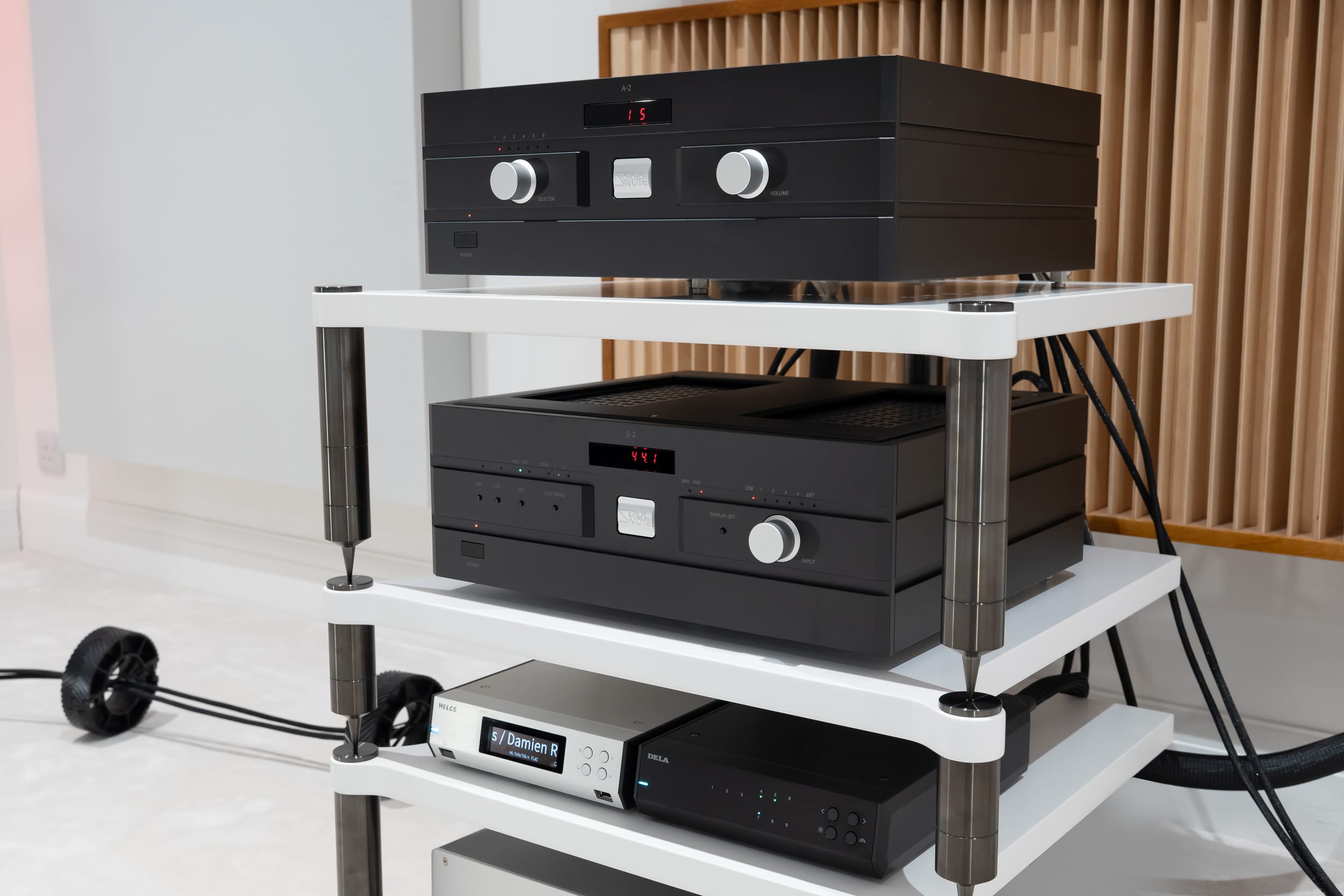
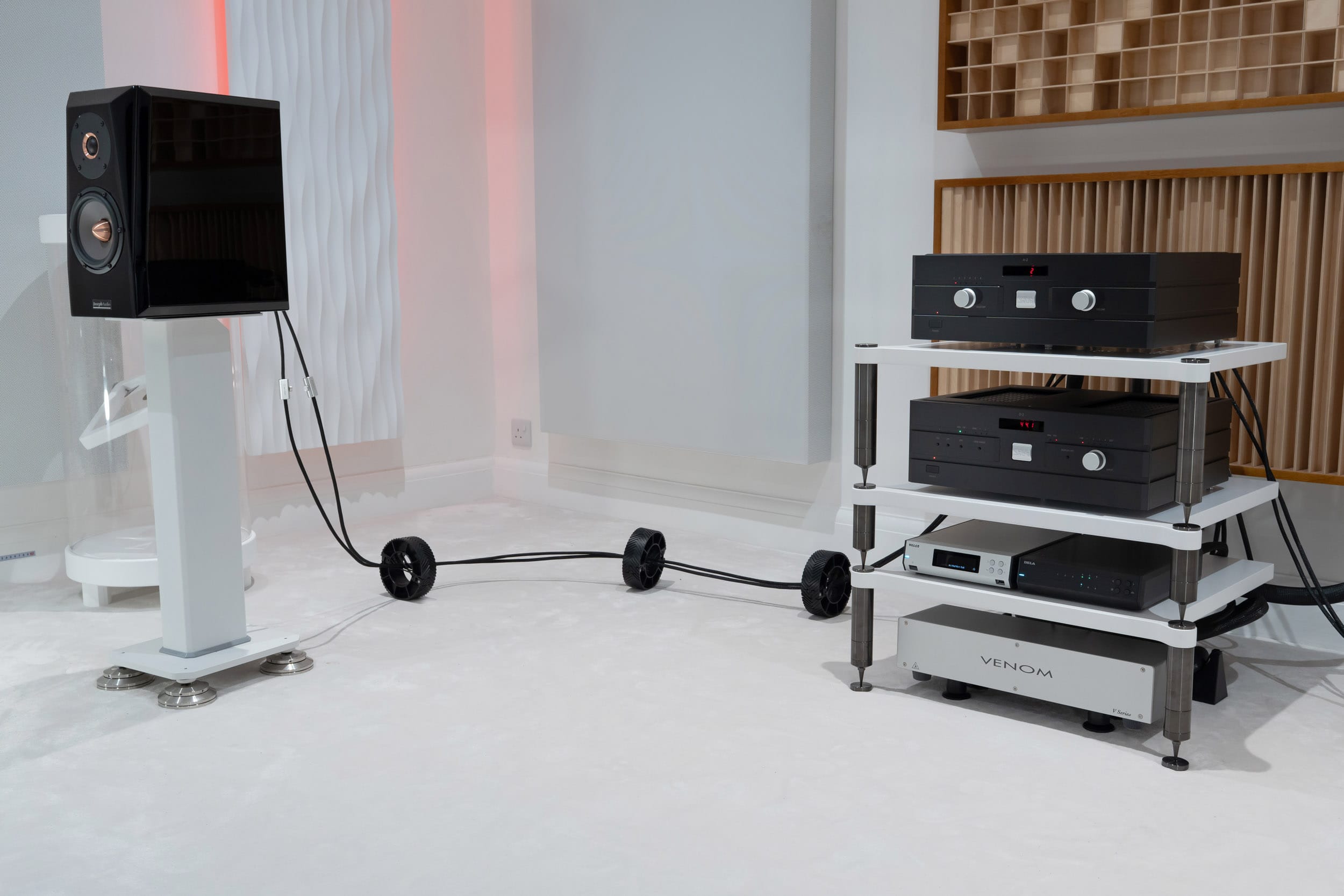
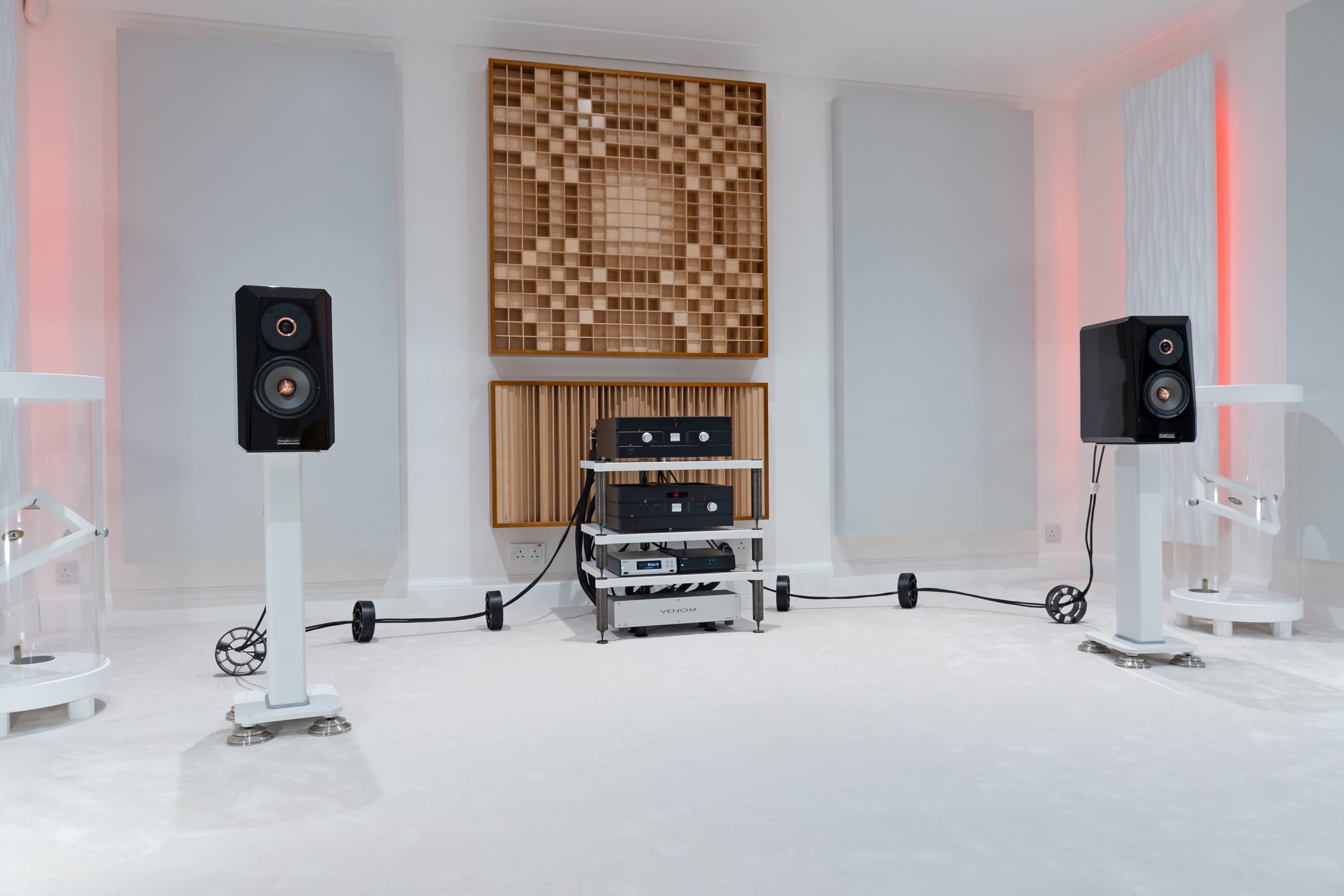
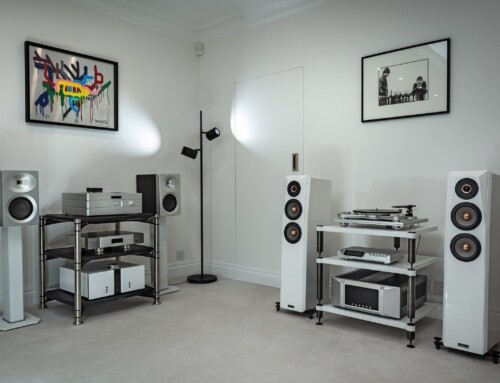
I built this system up using many of the typical Lotus ancillaries. Shunyata have the UK mains conditioning market all but sewn up and almost every system should have a Shunyata conditioner in front of it to clean and lower the noise floor in the house supply. The entry Venom here is a great lower cost choice coupled with the Theta XC cable to connect it to the wall. Tara Labs AIR power cords feed the boxes from this. Shunyata Theta NR would be another great choice but I wanted to save on the pennies as much as possible and Airs come in slightly less at £995.
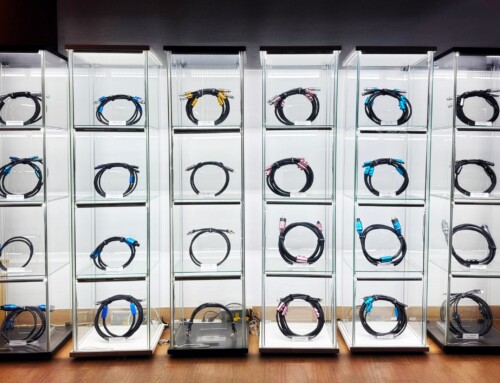
For wires Hemingway cables were the natural choice, their focus and definition working so well with the smooth and slightly relaxed orientation of the Josephs. Indigo II is Hemingway’s entry line but do not underestimate its potency. As with all Hemingway, the entire system will have its magnetic properties favourably altered to make for lower noise throughout. So much more than a basic cable and Indigo have been consistently usurping all manner of exotic and eye wateringly expensive cables these past few years.
One potential bugbear with the Soulnote Dac – depending on your point of view and system strategy – is that there is no inbuilt streamer. This means you need to add one plus the cost of a digital interconnect and another mains cable but this will increase sound quality again over a basic inbuilt Dac streamer, especially for playback of stored files. Also, many customers already own an Innuos, Lumin, Aurender, Auralic or similar. These products are all broadly similar in sound and are probably differentiated more by features and aesthetics than anything else but here we have always sold Melco, now known as DELA. So for this system we are just using an older half size Melco N100. I have cheated a little by not including it on the cost listing but these (and other respectable streamers) can be picked up used on ebay and classifieds for less than £1000. Soulnote of course make their own streamer or Network transport called the Z03 and very good it is too but with a chunky price tag. It sports their own Zero Link transmission methodology and would of course make for an enviable upgrade for this system in future years.
JOSEPH AUDIO
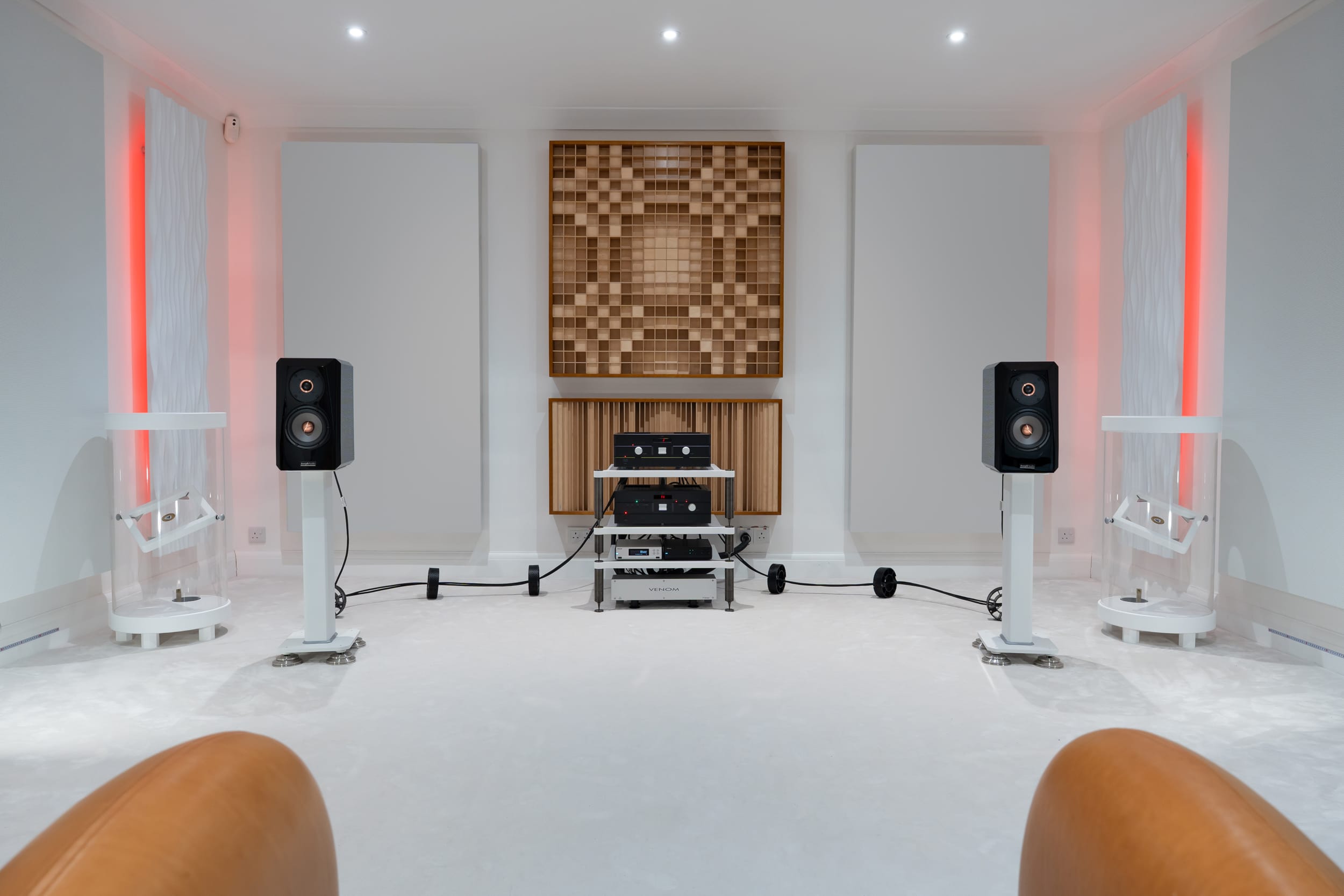
We have talked about the boxes but what about the speaker choice here ? Well if you read my Suggested System 7 you will know that we brought Joseph Audio to the UK in conjunction with Importers Kog Audio in part, to accompany Soulnote electronics. This is how good the synergy is.
The Josephs are very resolving and very neutral and the cabinet totally disappears like the best speakers we sell from Rockport and Tidal. Their nature though is a few percent sweet, warm and rounded making for a very easy and seductive listen. Part of the exemplary synergy here is the fact that Soulnote is quite a percussive sound with good punch and staccato. Not over tight – an ill of many a transistor amplifier – but just well defined with good structural shape to tempo and instruments. This mates beautifully with the liquid organic fingerprint of the Josephs. What you wouldn’t want to do is pair Soulnote with a speaker which is already quite biting, sculpted or tight.
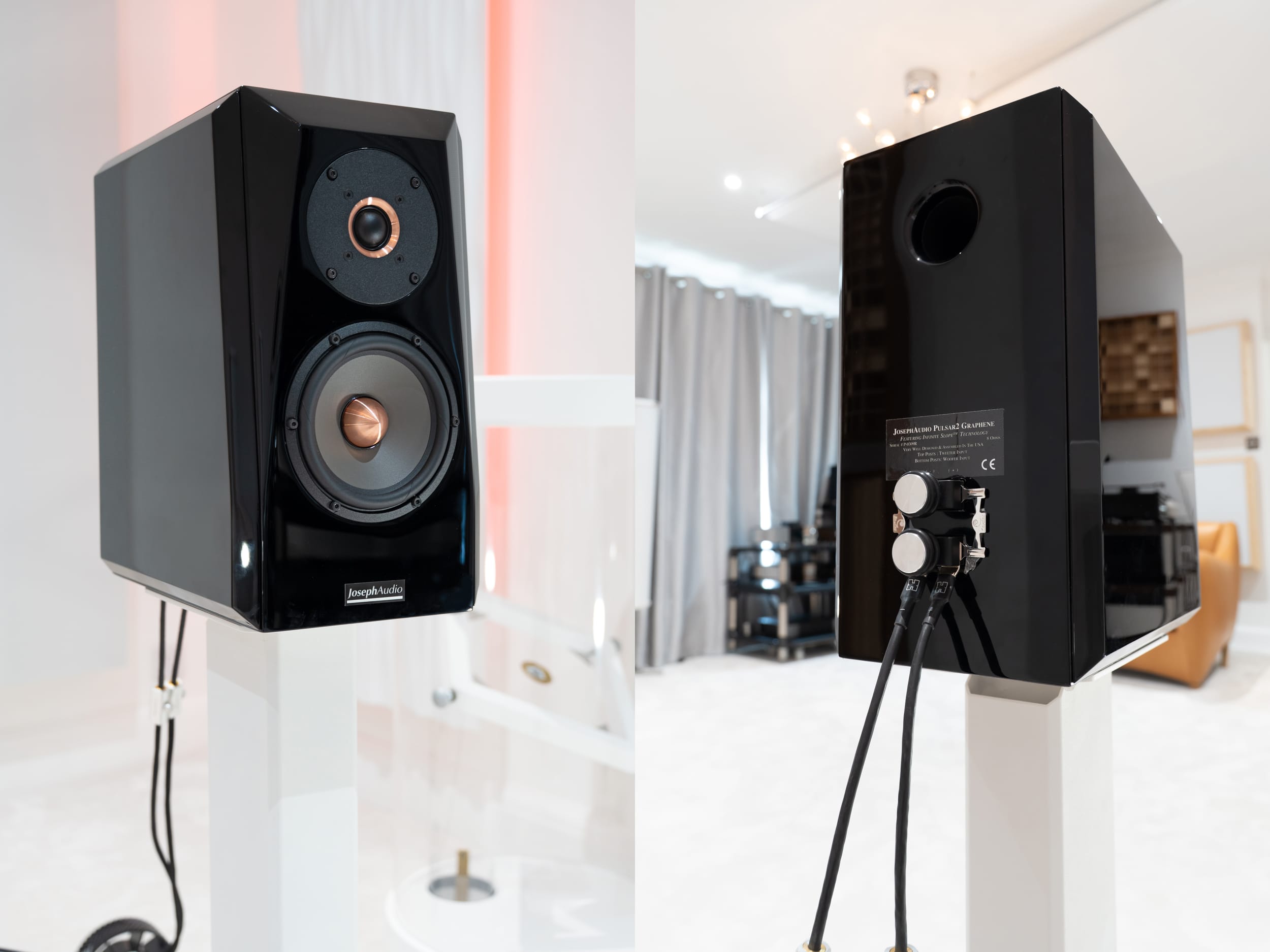
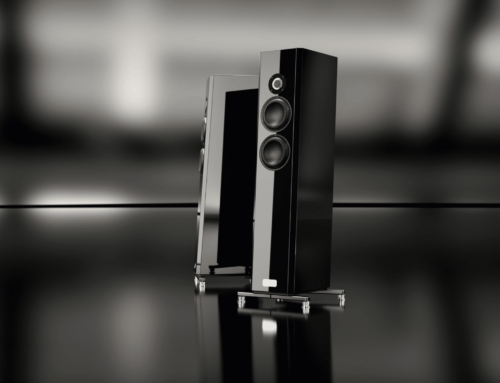
The stand mount Pulsar here keeps the speaker budget under £10,000 but do not view this lower cost entry model as a booby prize. Whilst the floorstander model the Perspective, another £7000 in money, do provide more weight, body and heft, the Pulsar have an appeal all of their own with speed, amazing see through clarity and prodigious bass and extension when called for. They are categorically not a compromised bookshelf speaker but a fully fledged high end transducer befitting of a very serious high level system. They have no weaknesses to speak of and some customers would even pick them over the bigger Perspectives on presentation alone rather than for budget or space saving reasons.
THE SOUND
A vast 3d holographic soundscape. Delightfully see through and transparent. A distinctly black background and superb image stability. This system is like many or even all Lotus systems in its primary underpinnings. The music does not come from the speakers, they have long since disappeared and what you are hearing is the track, the file, the Qobuz stream. In basic principle, any track you play sounds broadly similar to how it would on pretty much every other suggested system I have written about. This is because all our setups are neutral, linear, distortion free with very little sound of the equipment to soil the final rendition of your favourite artists.
The other defining Lotus trait, this systems sounds natural and “at ease”. There is no spikyness, nothing overly sharp or indigestible and of course extremely high on refinemant. It is an easy and comforting listen that appeals from the very get go. But then it isn’t laid back or abbreviated. Bags of detail, life and vibrancy, the music is fully formed into the room and feels very present and dynamic.
Mamadou’s Bob Marley cover of “Redemption Song” sounds very intimate and real on the vocals. There is real tangibility here and also great body, especially for a tiny standmount. Harmonic richness is very impressive and there is always a sumptuousness to the way Soulnote handles real instruments.
Moving onto other tracks recently selected by Lotus customers in the demo room of late, Dave Holland’s “Bedouin Trail” came across as a beautifully calm arrangement with wonderful textures on the saxophone and bass. This is the type of rendition that genuinely makes you wonder why you would need to spend any more or own anything more elaborate than this setup for all your music replay in the home. Gentle, nuanced with great back pressure and vitality to all the instruments.
What comes across strongly is the smoothness and liquidity of the system but this is a different sound to Vitus electronics. The next track, a pick by Jon Zimmer from Rockport Technologies on his recent visit to us probes this aspect of the Soulnotes a little further. “Whiskey and You” by Chris Stapleton sounds stunning and it completely leaves the system delivering amazing ambience into the room. The feeling of calm and surefootedness continues but what is also emerging is a singular character in the Japanese equipment of being able to sound liquid and smooth but at the same time shapely, percussive and fast with a fully extended treble. Many amplifiers and DACs have to stray one way or the other, from the romantic to the analytical but Soulnote creates this magical alchemy of both and I actually now believe that it is the primary Soulnote hallmark. Holographics neutrality and timing are also Soulnote strengths but there is something in the equilibrium of its portrayal of both the middle of the note and the edge of the note which marks it out as something very special. In this respect it sometimes reminds me of Tidal Audio. It is a rare and difficult thing to achieve with solid state equipment but is it there every time I assemble something in my demo room with this brand.
Moving on, “Motherhship” the Ohio University Wind Symphony and “Sombras” from the Dino Saluzzi Group from Argentina continue to highlight just how good this system is with ambience, atmosphere, air and space between sounds. The Josephs seem to find so much space and air inside the music and between all its component parts, much more so than other speakers. When proceedings get complex they are also astonishing at unravelling every last thread of music and presenting it to you with so much insight and resolve.
These Joseph qualities shine of course because of the quality of the electronics. The results are deeply impressive for a £7k DAC let alone a £6k amplifier. “Mothership” also sounds very nimble with superb agility and timing and good weight too on the more congested portions of the symphony. These tracks feel enlivened and tangible, there is very little constraint between you and the music. Once again notes are outlined beautifully but there is simultaneously an abundance of flow and harmonic richness.
Herbie Hancock’s “Doin it” is another recent favourite track here. Fast and very funky, the system really brought out the groove here with fantastic musical syncopation and interlocking between all of the various intricate elements. If you like a dance now and again, it’s difficult not to on this one !
For a low frequency test I tried Zabo’s “Drown”, no easy feat and one that will soon fall apart on a lesser system. I think we first encountered this one at Munich on the colossal Avalon Isis Signature speakers fed by Doshi electronics where it sounded truly world class but honestly, the weight and heft of the bass from the little Pulsars was genuinely surprising. Whilst the presentation through the mids is undoubtedly leaner than the Perspectives or a bigger floorstander, bass notes are there in abundance if it is there on the track. So in this way, you don’t miss out on any of the actual music. There is no abbreviation or feeling that you are short changed. Elsewhere this monster track sounded fabulous with extremely wide soundstaging and great stability and surefootedness.
For speed, bass and rhythms I tried the electronic “Simi” from Marc Romboy. This is a favourite of Jorn Janczak’s, MD of Tidal Audio and it’s a wonderful lesson in timing, dynamics and structural flow. On the Soulnote Joseph combo it sounded speedy, suitably punchy and beautifully precise but without coming across as too tight or thinned out. Controlled low bass shook the Lotus demo room with surprising power, the ambience and decay in the midband was really satisfying and the high frequency scratching sounds sounded totally there. Funky and narcotically head bob inducing, the system conveyed the driving multilayered nature of this song so well.
One of my parting shots was “9 Crimes” by Damien Rice, an old audiophile favourite. This is a superb recording but nonetheless it again demonstrated just how holographic the system was. The Joseph’s felt like they had utterly disappeared from the room. The sweetness from the vocal duet was really quite beautiful too. It was an emotionally arresting performance which tingled the senses.
IN SUMMARY
Number 9 for me was a truly wonderful setup. Superb on imaging, realism, space, ambience and soundstaging but then fast, exciting, rhythmical with excellent precision, drive and punch. It was rounded and liquid yet intricate and expertly defined and the overall tonality was clean and neutral with a very well judged leaning of warmth and sweetness.
Unless your listening habits rely mostly on music that is defined by a lot of scale and weight – orchestral, film scores, metal, industrial – then it’s a perfect tonic. It very obviously marvelled on jazz, vocals, anything ambient and “beautiful music” just as you would expect, but then it also majored in anything rhythmical – soul, pop, electronic, funk, reggae, R&B – showcasing the beat, the funk, the groove in the most immersive and enjoyable manner.
Going back 10 years, systems over double or triple this amount of money wouldn’t honestly hold a candle to the setup we have here for sheer sound quality. It is surprising where the industry is going right now and what value there is out there, especially when you investigate the more boutique brands. As ever, good mains, wires and network are critical and the boxes and speakers, as good as they are, would be nothing without this expertly crafted foundation.
FULL SYSTEM PRICE
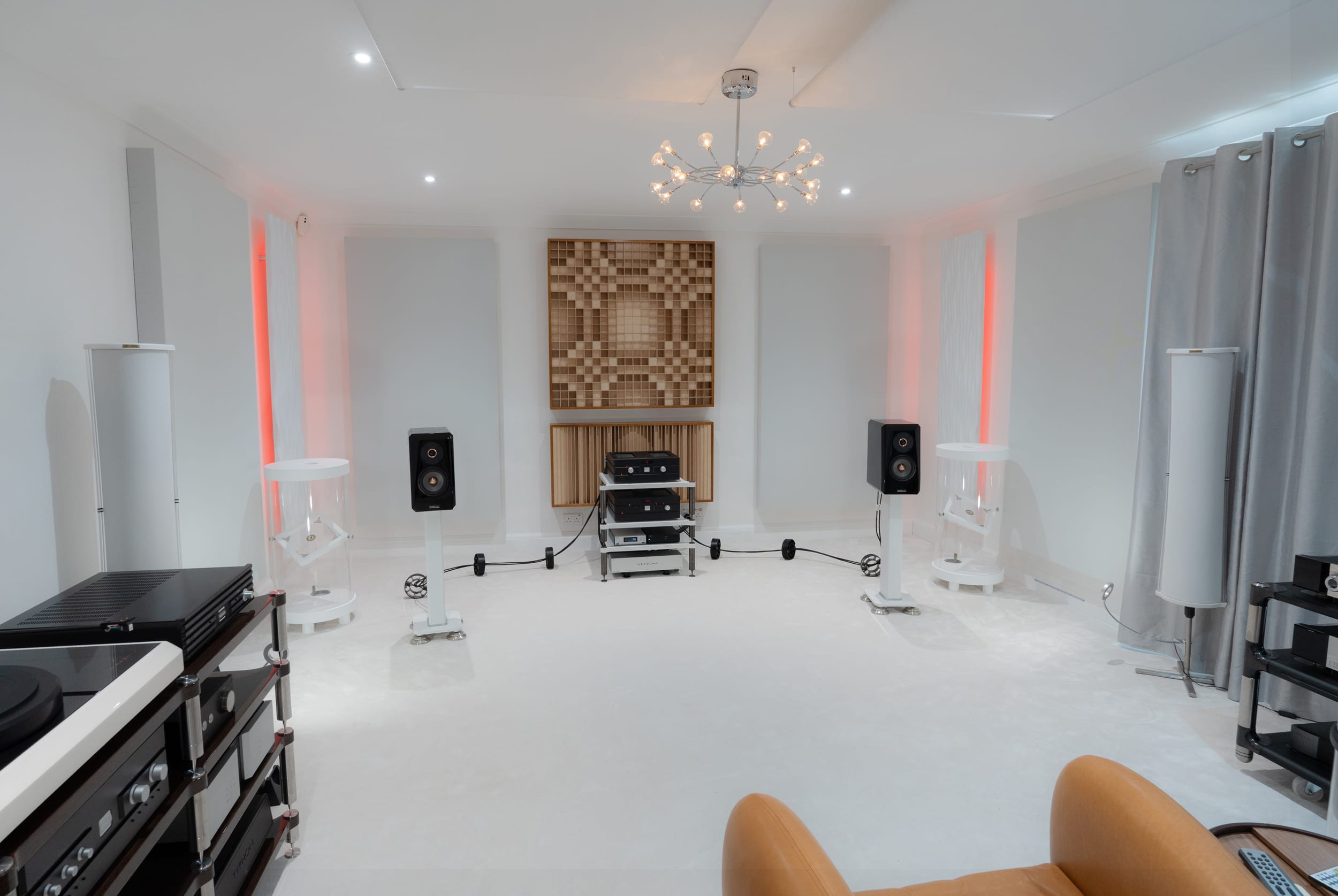
Soulnote D2 V2 DAC £7,700
Soulnote A2 V2 Amplifier £6,900
Dela S50 Dataswicch £3,000
Hemingway Creation LAN £1,900
Tara Labs Artist USB £1,295
Hemingway Indigo II XLR £3,900
Hemingway Indigo II SC 2.5m £3,000
Tara Air mains cable x2 £1,990
Shunyata Venom conditioner £2,850
shunyata theta xc £1,100
Joseph Pulsar £9,995
£43,630

CONNECT WITH US